Why the Idea of Tom Brady in the Patriots Front Office Continues to Fascinate Football Fans
Few names in professional football generate instant attention the way Tom Brady does, especially when his future becomes linked once again to New England Patriots. In recent days, renewed online discussion has circulated around the idea that Robert Kraft could one day bring Brady into a major executive role within the organization. Although no official appointment has been announced and no verified evidence supports claims of a completed front-office agreement, the speed with which the story spread reveals how strongly fans remain drawn to the possibility.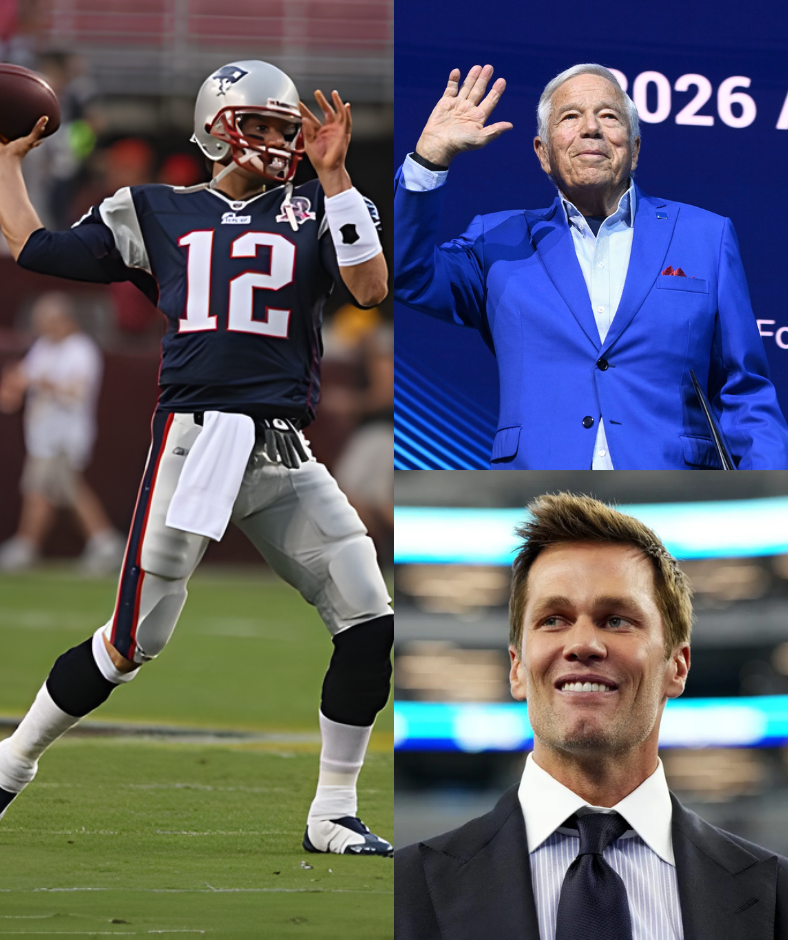
The fascination is understandable. Brady is not simply a retired quarterback associated with New England. He remains the defining figure of the franchise’s modern history, the player whose leadership and championships reshaped expectations for two decades. Even years after retirement, many supporters still see him as emotionally connected to the club’s long-term identity.
That is why even speculation about executive involvement creates immediate excitement. Fans naturally wonder whether someone who understood winning at the highest level could help guide football decisions from inside management.
At the moment, however, Brady’s post-playing career is focused elsewhere. He officially began his role as lead NFL analyst for Fox Corporation under a long-term contract reportedly worth hundreds of millions of dollars, a commitment that currently defines much of his professional schedule.
In addition, Brady has already entered ownership circles through his approved minority stake in Las Vegas Raiders, which creates additional league-related considerations regarding direct executive involvement with another franchise.
That makes any immediate Patriots executive role highly unlikely under current league structures. Yet the idea remains powerful because Brady represents more than football knowledge. He represents a standard of discipline, roster accountability, and long-term preparation that many fans believe modern front offices often struggle to replicate.
The general manager role in today’s NFL requires far more than football memory. It involves salary cap strategy, contract structure, scouting coordination, legal review, player psychology, and constant negotiation. A legendary playing career alone does not automatically prepare someone for that environment.
Still, Brady possesses one advantage few former players have: a direct understanding of how championship culture actually functions over many years. He experienced roster transitions, coaching adjustments, and playoff pressure at a level few executives can personally describe.
That perspective explains why his name repeatedly surfaces whenever Patriots leadership conversations emerge.
The franchise itself remains in a period of identity adjustment. Since the end of the Brady-era dynasty, New England has searched for sustainable long-term structure capable of restoring elite competitiveness. Front-office decisions now receive greater scrutiny because every move is compared against the extraordinary standard that existed when Brady led the offense.
For some supporters, bringing him closer to decision-making feels emotionally logical because it suggests continuity with that standard.
For others, caution is necessary. Great players do not always become great executives. History across sports offers many examples where legendary athletes struggled in management because evaluation skills differ sharply from performance skills.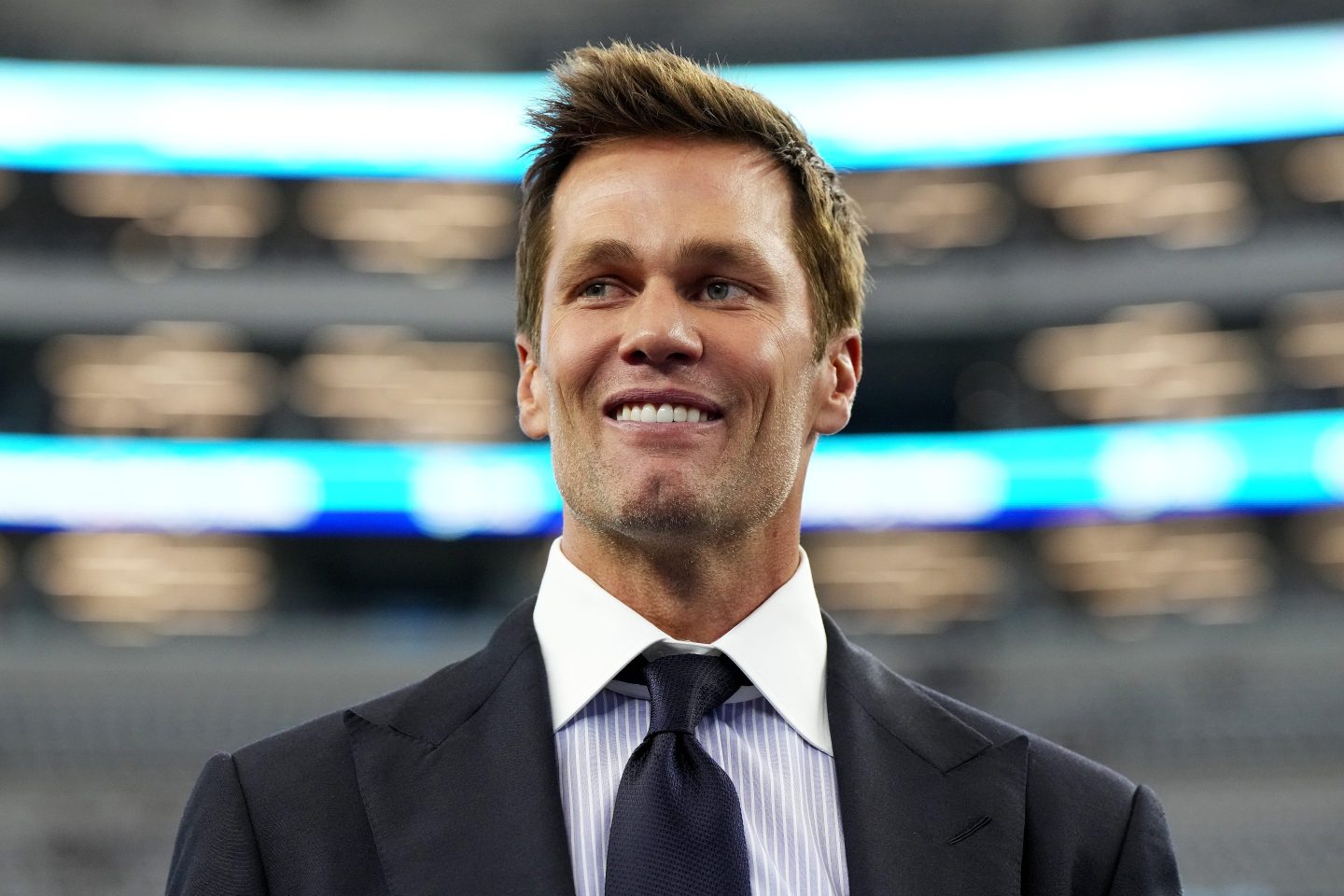
Brady’s own public comments suggest he understands that distinction. In recent interviews, he has emphasized learning, patience, and the importance of studying business decisions carefully rather than assuming football success automatically transfers elsewhere.
Robert Kraft has also consistently spoken about Brady with unusual admiration, often describing him as permanently part of the franchise family. That relationship fuels constant speculation because fans know communication between them remains strong.
Even without an official role, Brady already influences Patriots culture indirectly. His presence at ceremonies, organizational events, and major franchise milestones reinforces that connection.
What keeps the idea alive is not current evidence, but long-term possibility.
Could Brady eventually take on advisory responsibilities? Very possibly.
Could he one day become deeply involved in football operations? Also possible, though not immediate.
For now, the strongest reality is simpler: whenever Patriots supporters imagine the future, Brady remains impossible to remove from the picture.
That alone explains why every rumor tied to his return feels larger than ordinary front-office talk.